Supply Chain Management
Supply Chain CSR Procurement
Disseminating Supplier Guidelines
Casio carries out the majority of its production outside Japan at Casio plants and manufacturing subcontractors (electronic manufacturing services). Every year, Casio holds briefings on its Procurement Policies in Southern China.
Initially, these briefings simply involved Casio explaining its business policies to suppliers and asking them to undertake initiatives. Since fiscal 2010, however, Casio has been using these briefings as an opportunity for two-way communication. Suppliers are invited to participate actively, for instance by asking those with exemplary CSR initiatives to present examples of their efforts to promote and improve CSR. This enables the sharing of useful case studies and know-how for addressing CSR. By working collaboratively with its suppliers in this way, Casio is continually improving the level of CSR performance in its supply chain.
In June 2009, Casio revised the Basic Business Agreement it signs with suppliers in Japan. Clauses were added to require measures such as legal compliance, respect for human rights, and environmental protection. The new agreement is being rolled out steadily.
Since 2019, a business strategy briefing has also been held in Japan every year to explain Casio’s procurement strategy and policies. In this way, Casio has set up opportunities to explain its Procurement Policies to major suppliers all over the world and is actively sharing and exchanging information to build close reciprocal relationships.
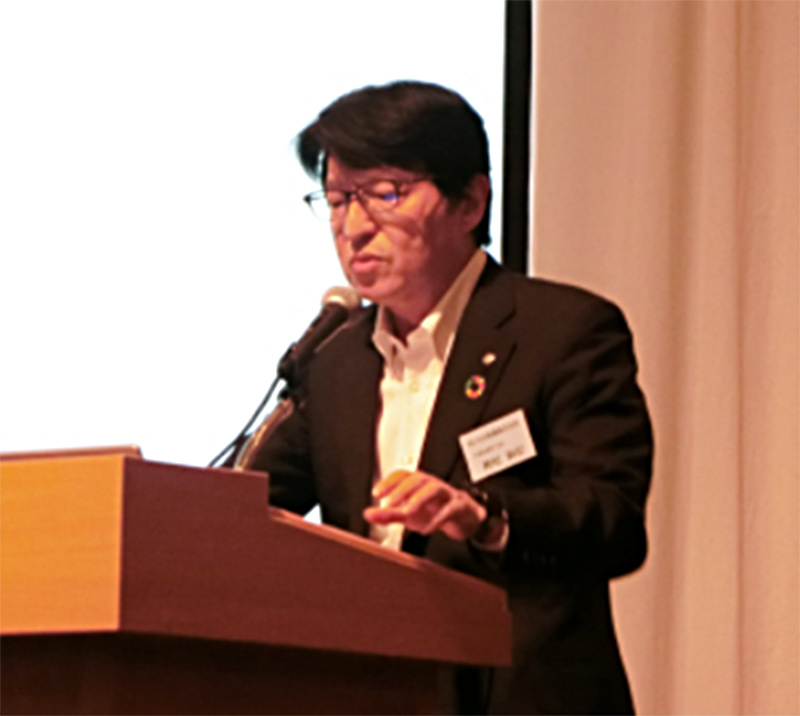
Business Strategy Briefing in Japan
Casio invited 160 participants from about 100 business partners to a business strategy briefing. The briefing was postponed from 2020 to 2023 due to the COVID-19 pandemic. It was held in 2024 for the first time in five years amid stepped up efforts to communicate with suppliers.
Supplier Message
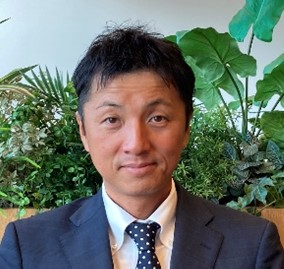
UEDA Yohei
General Manager
Japanese Industry & Consumer Sales Division 1
Sales Headquarters
ROHM Co., Ltd
Established around the same time — Casio Computer Co., Ltd. in 1957 and ROHM in 1958 — our two companies have forged their own paths side by side amidst technological innovation and societal change. Our business relationship with Casio began in the early 1970s, and ever since we have maintained an excellent relationship based on mutual trust and technological prowess. We deeply appreciate this long-standing partnership and feel that this solid relationship also provides a foundation for deepening our collaboration in the field of sustainability.
Casio places significant emphasis on environmentally friendly design in the consumer market and develops solar-charging systems and products featuring Eco‑Materials made with recycled content. The company actively works to extend product lifespans and promote recycling. Meanwhile, as a semiconductor manufacturer, ROHM is advancing the development of low-power LSIs, which we supply to Casio, along with next-generation power semiconductors such as highly power-efficient silicon‑carbide (SiC) and gallium‑nitride (GaN) power devices.. We are working to drive development contributing to energy savings in consumer equipment, industrial equipment, and electric vehicles.
ROHM is committed to promoting sustainability-focused management as well. In 2021, we formulated the ROHM Group Environmental Vision 2050, setting forth an objective of achieving carbon neutrality and zero emissions by 2050. We are also working to reduce CO₂ emissions through the introduction of renewable energy and improved efficiency in manufacturing processes, as well as to lower environmental impact across the entire supply chain. Through these initiatives, at ROHM we seek to help build a sustainable world while further deepening our partnership with Casio and jointly advancing future-oriented value creation.
Briefing on Procurement Policies in China
Casio carries out the majority of its production outside Japan at Casio plants and manufacturing subcontractors (electronic manufacturing services). Every year, Casio holds briefings on its Procurement Policies in Southern China. Since 2020, however, the briefing has been postponed due to the COVID-19 pandemic. While no decision has been made yet about a briefing in 2025, we are engaging in ongoing communication with suppliers.
Comprehensive Management of CSR Performance
In fiscal 2008, Casio started conducting a questionnaire survey* of principal suppliers in Japan on CSR performance in order to confirm the status of CSR procurement. In fiscal 2010, the survey was expanded to include suppliers in China and Thailand.
Based on the fiscal 2012 survey results and changes in society’s expectations, the questionnaire for suppliers was revised in fiscal 2013. Overlapping questions were eliminated and a new theme, policies for avoiding conflict minerals, was added. In fiscal 2025, a theme, initiatives for greenhouse gas emission reduction, was added.
The fiscal 2025 questionnaire was sent to 143 companies in Japan, and responses were received from 142 companies, for a response rate of 99.3%, clearly indicating suppliers’ high level of interest in CSR fulfillment. For suppliers outside Japan, the questionnaire was sent to 231 companies (174 companies in China and 57 companies in Thailand), and responses were received from 230 companies, for a response rate of 99.6%. Again, the great concern for CSR fulfillment among suppliers is clear. Casio compiles and analyses the response data, and shares the results with suppliers, along with Casio's approach to CSR procuremen.
Since fiscal 2011, Casio has been conducting onsite audits of major suppliers in China and Thailand with local staff members of the CSR promotion projects launched at sites in those countries. In fiscal 2012, the company started planning onsite inspections performed mainly by local Casio staff, and the number of visits is increasing.
In fiscal 2022, Casio postponed onsite inspections in China and ASEAN countries due to the spread of COVID-19. Even with the suspension in inspections due to the COVID-19 pandemic, it has cumulatively covered almost all suppliers. Going forward, Casio will continue onsite inspections with the aim of instilling commitment to CSR throughout the supply chain.
CSR inspections were also conducted at the request of a major distribution customer at three of Casio’s plants.
*The questionnaire was prepared in accordance with a Supplier Checklist for CSR Procurement based upon the Guidebook for Supply Chain Implementation of CSR Procurement published by the Japan Electronics and Information Technology Industries Association (JEITA). It covered: (1) human rights and labor conditions; (2) health and safety; (3) the environment; (4) fair transactions and ethics; (5) quality and consumer safety; (6) information security; and (7) social contribution.
A list of the items included in each category of the questionnaire is available here.
Questionnaire results
Questionnaire given to a total of 374 suppliers
Responses to all questions received from 372 suppliers (99.5% response rate)
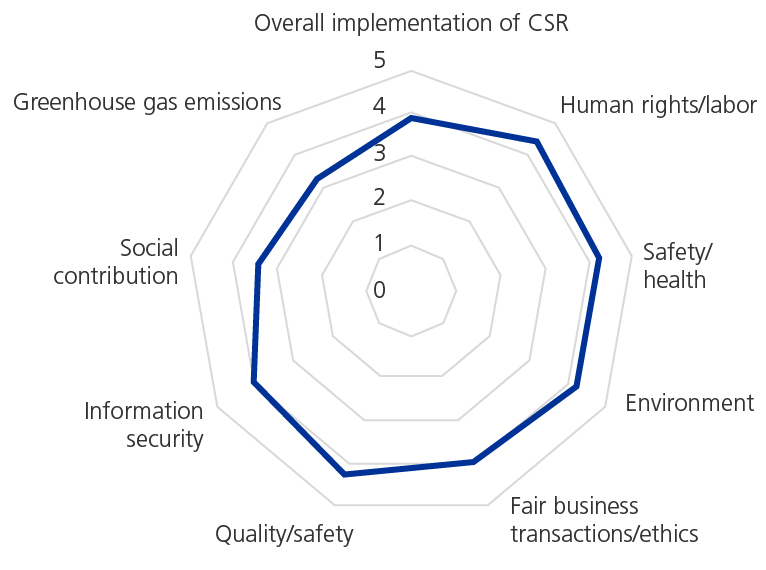
Status of responses by CSR category
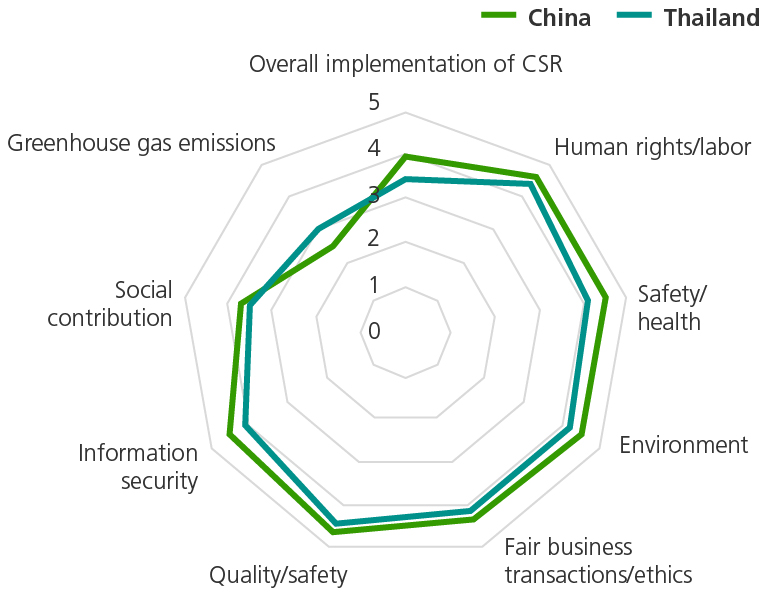
[ China and Thailand ]
An abstract five-point evaluation system (for example: 5 = sufficient measures, 3 = not enough measures, and 1 = no measures) was used until fiscal 2018. Starting in 2019 however, specific achievement levels are listed for each and every question, just like in Japan, which started doing this in fiscal 2018. This helps to more objectively assess the current state of CSR activities at suppliers. In addition, the guidelines for further improvement have also been clarified.
As a result, the evaluation scores were lower than 2019, but there were no serious problems requiring an urgent response. In addition, points for improvement were progressively clarified for each supplier and improvement measures were requested.
Responses by CSR category in China and Thailand
| China | Thailand | |
|---|---|---|
| 0 Overall Promotion of Corporate Social Responsibility | 3.9 | 3.4 |
| Ⅰ Human Rights and Labor | 4.5 | 4.3 |
| Ⅱ Occupational Health and Safety | 4.5 | 4.1 |
| Ⅲ Environment | 4.5 | 4.2 |
| Ⅳ Fair Trading | 4.4 | 4.2 |
| Ⅴ Product Quality and Safety | 4.7 | 4.5 |
| Ⅵ Information Security | 4.5 | 4.1 |
| Ⅶ Contribution to Society | 3.7 | 3.5 |
| VIII Greenhouse Gas Emission | 2.5 | 3.0 |
| Total | 4.4 | 4.2 |
[ Japan ]
Points for improvement were progressively clarified for each supplier and, after discussion, improvement measures were requested.
Japan responses by CSR category
| Responses by CSR category | |
|---|---|
| 0 Overall Promotion of Corporate Social Responsibility | 3.9 |
| Ⅰ Human Rights and Labor | 4.4 |
| Ⅱ Occupational Health and Safety | 4.3 |
| Ⅲ Environment | 4.3 |
| Ⅳ Fair Trading | 4.1 |
| Ⅴ Product Quality and Safety | 4.4 |
| Ⅵ Information Security | 4.1 |
| Ⅶ Contribution to Society | 3.5 |
| VIII Greenhouse Gas Emission | 3.3 |
| Total | 4.2 |
Selection of new suppliers
Based on the Procurement Policies, before Casio starts doing business with a new supplier, a comprehensive evaluation is carried out. The prospective supplier is checked based on the following criteria: compliance with laws and social norms, environmental protection measures, proper data protection, respect for intellectual property rights, management soundness and stability, outstanding technology development capabilities, ability to provide the desired price, quality, and a stable supply, and capabilities for online transactions.
Promotion of green procurement with business partners
With the cooperation of suppliers, the the Quality Planning Department in the Quality Assurance Unit at Casio Computer Co., Ltd. is promoting green procurement that considers supplier measures to protect the global environment.
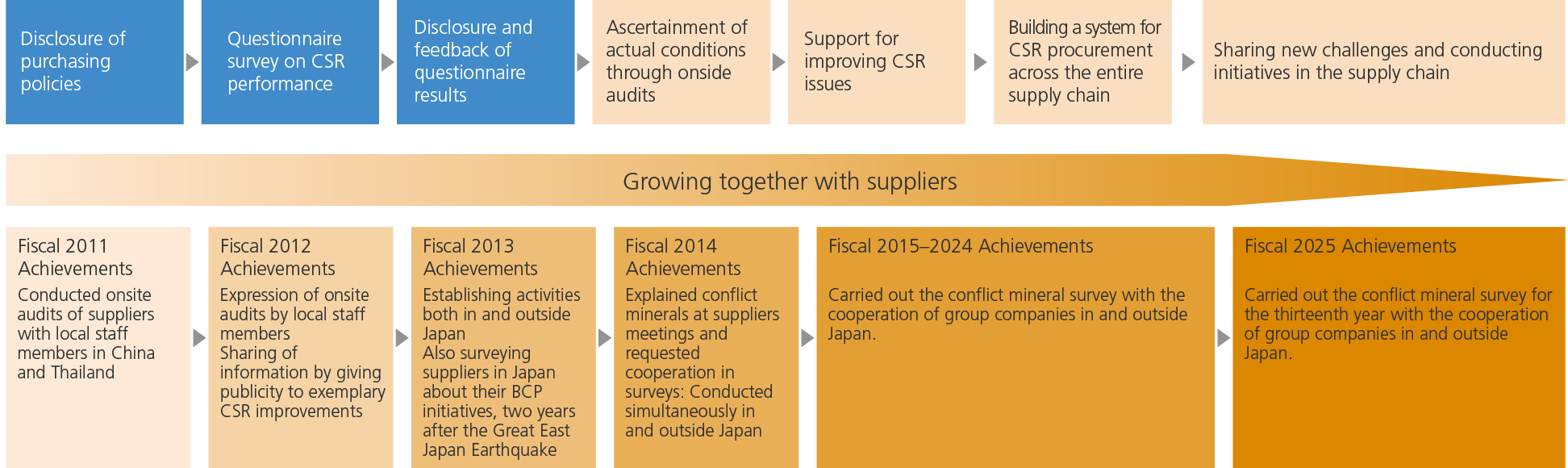
Improving CSR across the supply chain
Avoiding Any Use of Conflict Minerals
Some minerals, such as tin, tantalum, tungsten, and gold, produced in the Democratic Republic of Congo (DRC) and neighboring African countries have become a source of funding for armed groups and anti-government forces carrying out atrocities. They are called conflict minerals because of their potential to promote conflict, human rights violations, and environmental destruction.
Wanting no part in human rights violations and environmental destruction, Casio’s stance is to completely avoid the use of conflict minerals. The group will continue its efforts to avoid the use of such minerals by working closely with suppliers.
In January 2013, Casio revised its Procurement Policies and Supplier Guidelines, adding a ban on the use of conflict minerals. A question about policies to avoid the use of conflict minerals was also added to the CSR questionnaire sent to suppliers in Japan.
In fiscal 2014, Casio group companies surveyed suppliers worldwide about the use of conflict minerals, using the EICC & GeSI Conflict Minerals Reporting Template. Worldwide, 399 responses were received in fiscal 2025. The response rate was 97.6%.
There are inherent difficulties in conflict mineral investigation, as strict survey implementation requires going all the way back up the supply chain to the smelters. Casio will continue to collect relevant information including customer reactions and industry trends in the US, EU and other regions.
Casio adopts a policy of using minerals that are legally mined or acquired and are not involved in conflicts, even when those minerals were mined in the Democratic Republic of Congo (DRC) or its neighboring countries, and regardless of any conflict in that region.
As a member of the Responsible Mineral Trade Working Group of the Japan Electronics and Information Technology Industries Association (JEITA), Casio is also working to improve conflict mineral survey activities in the supply chain through industry collaboration.
Reduction of Greenhouse Gas Emissions by Suppliers
In calculating greenhouse gas emissions, Casio differentiates between emissions from its own business activities (Scope 1 and Scope 2) and those occurring throughout the value chain, from both upstream and downstream sources (Scope 3). Among these, greenhouse gas emissions resulting from purchased goods and services (Scope 3, Category 1) account for over 70% of total emissions. In order to reduce this category of greenhouse gas emissions, Casio is working to promote emissions reduction activities throughout the entire value chain, with a focus on encouraging key suppliers to set emissions reduction goals.
As of the first fiscal year in which these activities were undertaken, the current status of relevant efforts for respondents to the fiscal 2021 CSR survey was verified. Starting in fiscal 2022, these verification efforts will be further expanded to include greenhouse gas emissions for each individual supplier and the specific status of actual activities being pursued.
Since fiscal 2021, we have worked to confirm the status of each company’s initiatives via our CSR surveys, while also aggregating greenhouse gas emissions data from our business partners and verifying the implementation status of specific measures. Casio is working to determine activity policies for the next fiscal year and beyond, taking into account results obtained from our surveys, as well as to implement the PDCA cycle on a yearly basis, with the group-wide target of achieving a 30% reduction of Scope 3, Category 1 emissions by fiscal 2031 in comparison with fiscal 2019 levels.
*Updated on January 7, 2026